
Introduction
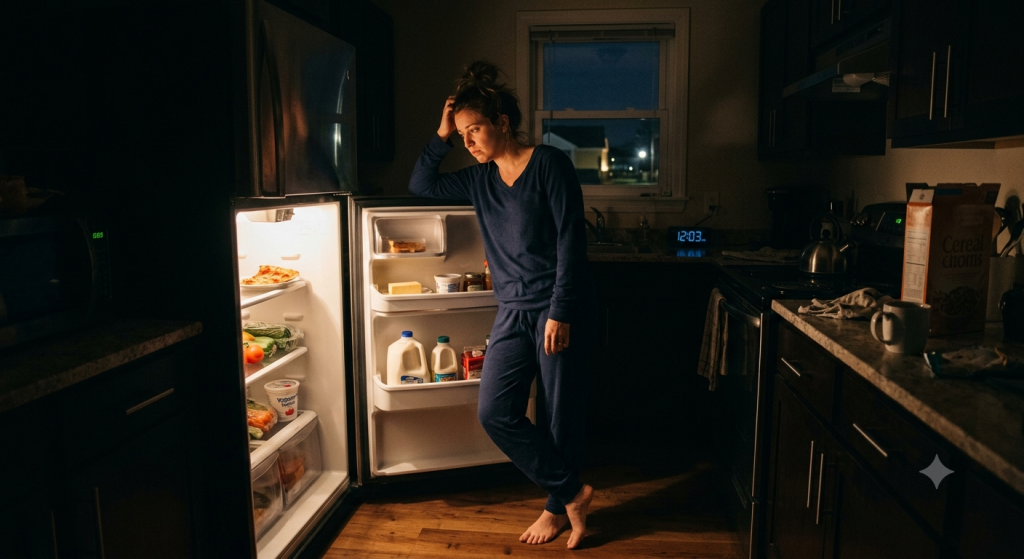
You’re settling into bed, ready for a peaceful night’s sleep. But then your stomach starts rumbling. Your mind fixates on that leftover pizza, a bowl of cereal, or a slice of cheese. Suddenly, you’re walking to the kitchen at 11 PM, 12 AM, or even later, searching for something to eat.
Why am I craving a midnight snack?
This question echoes in the minds of millions who struggle with late-night hunger. The answer isn’t as simple as “you’re just hungry.” Midnight snack cravings stem from a complex mix of biological, psychological, and lifestyle factors that interact throughout your day and night.
Sometimes it’s genuine hunger from skipping meals earlier. Other times, it’s your body’s stress response, poor sleep quality, or emotional coping mechanism. Understanding the root cause is essential because the solution varies dramatically depending on what’s driving your craving.
In this comprehensive guide, we’ll uncover the science behind midnight snack cravings, explore the seven most common causes, and provide actionable strategies to help you break the cycle. Whether you’re experiencing this for the first time or it’s become a nightly habit, you’ll discover solutions tailored to your specific situation.
Let’s dive into why your body and mind are demanding food when the sun goes down.
Blog Outline
Before exploring solutions, here’s what this guide covers:
- The science of midnight hunger – How your body regulates eating at night
- 7 common reasons for midnight snack cravings – Root causes explained
- Is midnight eating harmless or harmful? – Health impacts
- When to worry about your cravings – Red flags and medical concerns
- Practical strategies to stop midnight eating – Actionable solutions
- Healthy midnight snack options – What to eat if you must
- FAQs – Common questions answered
The Science of Midnight Hunger: How Your Body Regulates Eating at Night
Circadian Rhythms and Hunger Signals
Your body operates on a 24-hour internal clock called the circadian rhythm. This clock regulates not just sleep-wake cycles but also hunger hormones, metabolism, and digestion.
Key hunger hormones:
- Ghrelin: The “hunger hormone” that signals your brain to eat. Levels typically rise before meals and drop after eating.
- Leptin: The “satiety hormone” that tells your brain you’re full. Levels increase after eating and decrease during fasting.
During normal circadian function, ghrelin peaks during the day and drops at night, while leptin increases at night to reduce hunger. However, this balance can be disrupted by poor sleep, irregular eating patterns, or stress, causing midnight hunger spikes.
The Role of Sleep in Appetite Control
Sleep and hunger are deeply interconnected. When you don’t get enough quality sleep:
- Ghrelin levels increase by 15-20%, making you feel hungry
- Leptin levels decrease, reducing your ability to feel satisfied
- Insulin sensitivity drops, affecting how your body processes food
- Cortisol (stress hormone) rises, triggering cravings for high-calorie foods
This biological cascade explains why poor sleep often leads to increased food cravings, especially at night when your body should be resting.
The Brain’s Reward System and Late-Night Eating
Your brain’s reward system, particularly the dopamine pathways, plays a crucial role in midnight cravings. Eating triggers dopamine release, creating feelings of pleasure and satisfaction. At night, when you’re stressed, tired, or emotionally vulnerable, your brain may seek this reward through food.
This is why midnight snacks often consists of comfort foods—salty, sugary, or fatty items that provide immediate emotional relief rather than nutritional value.
7 Common Reasons for Midnight Snack Cravings

1. You Didn’t Eat Enough During the Day
The most straightforward cause: If you skipped meals, undereated at dinner, or consumed insufficient calories throughout the day, your body will naturally demand food at night to meet its energy needs.
Signs this is your issue:
- You routinely skip breakfast or lunch
- Your dinner was small or happened very early
- You feel genuinely hungry, not just craving
- Eating satisfies you temporarily, but hunger returns soon
Why it happens: Your body has a baseline caloric requirement. When you don’t meet it during daylight hours, it compensates at night.
2. Poor Sleep Quality or Insomnia
The sleep-hunger cycle: Poor sleep disrupts hunger hormone regulation, creating a feedback loop where lack of sleep increases hunger, and late-night eating disrupts sleep further.
Signs this is your issue:
- You struggle to fall or stay asleep
- You wake up frequently during the night
- You feel tired despite getting “enough” hours
- Cravings intensify when you’re sleep-deprived
Why it happens: Sleep deprivation increases ghrelin, decreases leptin, and elevates cortisol, all triggering hunger and cravings.
3. Stress and Emotional Copeding
The stress-eating connection: When you’re stressed, your body releases cortisol, which increases appetite and specifically drives cravings for high-calorie “comfort foods.” Eating becomes a coping mechanism for emotional discomfort.
Signs this is your issue:
- Cravings intensify during stressful periods
- You reach for sugary, salty, or fatty foods
- Eating temporarily reduces anxiety or stress
- You eat even when not physically hungry
Why it happens: Food triggers dopamine release, providing temporary emotional relief. At night, when you’re alone and unproductive, emotional stress may surface, making food seem like the solution.
4. Blood Sugar Imbalances
The glucose roller coaster: If your meals lack sufficient protein, fiber, or healthy fats, your blood sugar may spike and crash. When blood sugar drops too low (especially at night), your body demandsquick energy—usually in the form of sugar or carbohydrates.
Signs this is your issue:
- You experience energy crashes after meals
- You feel shaky, anxious, or confused when hungry
- Cravings are intense for sugary or starchy foods
- You wake up at night with hunger pangs
Why it happens: Rapid blood sugar spikes from refined carbs trigger insulin surges, causing blood sugar to plummet. Low blood sugar signals your brain to seek immediate energy.
5. Habit and Conditioning
The learned behavior: If you’ve eaten midnight snacks regularly for weeks or months, your brain has conditioned itself to expect food at that time. The craving becomes automatic, not biological.
Signs this is your issue:
- You eat at the same time every night regardless of hunger
- The craving feels mental more than physical
- You eat even when you’re not hungry
- Breaking the habit feels difficult
Why it happens: Your brain associates nighttime with eating through repetition. This Pavlovian response triggers cravings automatically.
6. Dehydration
The thirst-hunger confusion: Sometimes what feels like hunger is actually thirst. Your body’s signals for hunger and thirst can overlap, leading you to interpret dehydration as a need for food.
Signs this is your issue:
- You don’t drink enough water during the day
- You feel thirsty along with hungry
- Cravings diminish after drinking water
- You have other dehydration signs (dry mouth, fatigue, dark urine)
Why it happens: The brain’s hunger and thirst centers are close together, and dehydration can trigger false hunger signals.
7. Medical Conditions
When it’s not just lifestyle: Certain medical conditions can cause excessive hunger, including:
- Diabetes (especially if blood sugar is uncontrolled)
- Hyperthyroidism (overactive thyroid increases metabolism)
- Hypoglycemia (low blood sugar disorder)
- Prader-Willi syndrome (rare genetic condition causing constant hunger)
- Medications that increase appetite (some antidepressants, steroids, antihistamines)
Signs this is your issue:
- Cravings are extreme and constant
- You experience other symptoms (weight changes, fatigue, mood swings)
- Lifestyle changes don’t reduce cravings
- You have a known medical condition
Why it happens: Medical conditions disrupt normal hunger regulation through hormonal imbalances or metabolic changes.
Is Midnight Eating Harmless or Harmful? Health Impacts
Potential Negative Effects
While an occasional midnight snack isn’t dangerous, regular late-night eating can cause several health issues:
1. Disrupted Sleep Quality
- Digestion interferes with deep sleep cycles
- Blood sugar spikes and crashes wake you up
- Acid reflux or indigestion becomes more likely when lying down
2. Weight Gain and Metabolic Issues
- Late calories are less likely to be burned off
- Insulin sensitivity is lower at night
- Regular late eating disrupts metabolic rhythm
3. Increased Risk of Type 2 Diabetes
- Studies show nighttime eating impairs glucose regulation
- Irregular eating patterns increase diabetes risk
4. Poor Nutritional Quality
- Midnight snacks often consist of processed, high-calorie foods
- You’re less likely to choose nutritious options when tired
5. Digestive Problems
- Acid reflux and GERD worsen with late eating
- Indigestion becomes more common
When It Might Be Okay
Occasional midnight eating isn’t harmful if:
- It’s infrequent (not daily)
- You choose nutritious options
- It doesn’t disrupt your sleep
- Your overall diet is balanced
Key takeaway: The problem isn’t the snack itself—it’s the frequency, timing, and what you’re eating.
When to Worry About Your Cravings: Red Flags and Medical Concerns
Seek medical attention if you experience:
- Constant, unrelenting hunger that doesn’t improve with eating
- Hunger paired with unexplained weight loss or gain
- Cravings accompanied by fatigue, mood changes, or other symptoms
- Nighttime hunger that severely disrupts sleep regularly
- Cravings that feel uncontrollable despite lifestyle changes
- Known diabetes with frequent nighttime hunger
These could indicate:
- Unmanaged diabetes
- Thyroid disorders
- Hormonal imbalances
- Medication side effects
- Eating disorders
Don’t ignore persistent, extreme cravings—they may signal underlying health issues requiring treatment.
Practical Strategies to Stop Midnight Eating
Strategy 1: Optimize Your Daytime Eating
Eat sufficient calories during daylight hours:
- Don’t skip breakfast or lunch
- Make dinner substantial and include protein, fiber, and healthy fats
- Eat meals at regular intervals (every 3-4 hours)
- Aim for 20-30 grams of protein per meal
Why it works: Meeting your caloric needs during the day prevents compensatory nighttime hunger.
Strategy 2: Improve Sleep Quality
Create a sleep-friendly routine:
- Go to bed and wake up at consistent times
- Keep your bedroom cool, dark, and quiet
- Avoid screens 1 hour before bed
- Limit caffeine after 2 PM
- Exercise regularly but not right before bed
Why it works: Better sleep regulates hunger hormones naturally.
Strategy 3: Manage Stress Effectively
Find non-food stress relief:
- Practice meditation or deep breathing
- Journal before bed
- Take a warm bath or shower
- Try gentle stretching or yoga
- Talk to someone about what’s stressing you
Why it works: Reducing stress lowers cortisol and reduces emotional eating triggers.
Strategy 4: Stabilize Blood Sugar
Choose blood-sugar-friendly meals:
- Combine protein + fiber + healthy fat at every meal
- Avoid refined carbs and sugary foods
- Include complex carbohydrates (whole grains, vegetables)
- Don’t eat only carbohydrates alone
Why it works: Stable blood sugar prevents crashes that trigger nighttime cravings.
Strategy 5: Break the Habit
Disrupt the conditioning:
- Create a new nighttime routine (reading, meditation, warm tea)
- Go to bed earlier so you’re not awake during craving time
- Keep your kitchen closed after a set time
- Remove tempting foods from easy access
Why it works: Breaking the automatic association between nighttime and eating.
Strategy 6: Drink More Water
Stay hydrated throughout the day:
- Drink 8-10 glasses of water daily
- Have a glass of water when cravings start
- Limit caffeine and alcohol (both dehydrate)
Why it works: Differentiates true hunger from thirst.
Strategy 7: Time Your Last Meal
Eat dinner at the right time:
- Have your last substantial meal 2-3 hours before bed
- If you need a small snack before bed, make it protein-based and low-calorie
- Avoid eating within 1 hour of sleeping
Why it works: Gives your body time to digest before sleep.
Healthy Midnight Snack Options (If You Must Eat)
If you’re genuinely hungry and need to eat, choose nutrient-dense options that won’t disrupt sleep:
| Snack | Calories | Why It Works |
| Small apple + 1 tbsp almond butter | ~150 | Fiber + protein stabilizes blood sugar |
| Greek yogurt (small) + berries | ~120 | Protein promotes sleep, low sugar |
| Handful of almonds (10-12) | ~100 | Healthy fats + magnesium aids sleep |
| Small banana | ~100 | Contains magnesium + potassium for relaxation |
| Cottage cheese (small) | ~80 | Protein + calcium supports sleep |
| Herbal tea (warm) | 0 | Calming, reduces thirst-hunger confusion |
Avoid these at night:
- Sugary snacks (candy, cookies, ice cream)
- Refined carbs (bread, crackers, chips)
- High-sodium foods (triggers thirst)
- Caffeinated items (coffee, chocolate)
- Large, heavy meals
Conclusion
Why are you craving a midnight snack? The answer depends on your unique situation, but it’s most likely one of seven causes: insufficient daytime eating, poor sleep, stress, blood sugar imbalances, habit, dehydration, or a medical condition.
The good news: most midnight cravings are fixable with lifestyle changes. By eating enough during the day, improving sleep quality, managing stress, stabilizing blood sugar, breaking habitual patterns, staying hydrated, and timing your last meal properly, you can eliminate or significantly reduce nighttime hunger.
Remember that occasional midnight eating isn’t dangerous. The problem arises when it becomes a daily habit that disrupts sleep, causes weight gain, or reflects underlying health issues.